

Conquering the Central Park Loop: How to Prevent Runner’s Knee and Hip Alignment Issues During Peak Summer Training

Conquering the Central Park Loop: How to Prevent Runner’s Knee and Hip Alignment Issues During Peak Summer Training

Conquering the Central Park Loop: How to Prevent Runner’s Knee and Hip Alignment Issues During Peak Summer Training

Conquering the Central Park Loop: How to Prevent Runner’s Knee and Hip Alignment Issues During Peak Summer Training

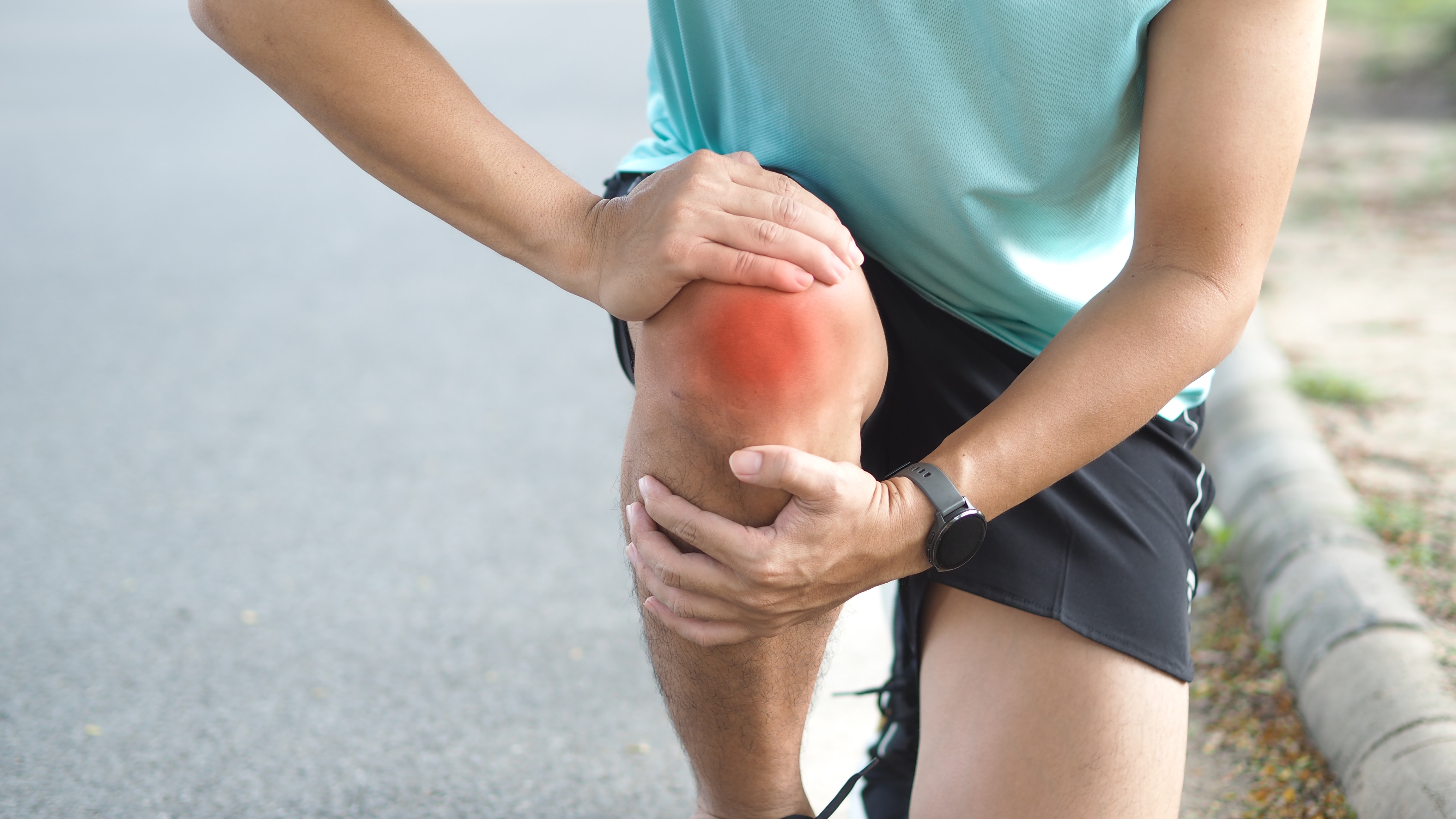
Running the Central Park Loop is a favorite challenge for New York City athletes, but summer mileage can place added stress on the knees and hips. Heat, fatigue, hills, and repeated impact may gradually change your stride, especially when training volume increases too quickly. Paying attention to movement quality can help reduce the risk of runner’s knee and hip alignment issues.
Why Runner’s Knee Develops
Runner’s knee is a general term for pain around or behind the kneecap. It may develop when the kneecap does not move smoothly during repeated bending and straightening. Weak hip muscles, poor lower-body control, worn footwear, sudden mileage increases, and limited recovery can all contribute.
The rolling hills of Central Park can make these problems more noticeable. Uphill running demands more from the hips and glutes, while downhill sections increase the load placed on the knees. When fatigue sets in, runners may overstride, allow the knees to collapse inward, or lose control through the pelvis.
Signs Your Form May Be Breaking Down
Watch for changes that appear during or after longer New York City runs:
• Pain around the kneecap, especially on hills or stairs
• One hip dropping lower than the other while running
• Knees moving inward during the landing phase
• Tightness along the outer thigh or front of the hip
• Uneven wear on running shoes
• Discomfort that returns at the same point in every run
Continuing to train through these warning signs may allow a minor movement problem to become more persistent.
Build Strength for Better Hip and Knee Control
Strong glutes, hips, and core muscles help keep the pelvis stable and guide the legs through a more efficient stride. Exercises such as bridges, side steps, step-downs, split squats, and single-leg balance drills can support better alignment.
Strength work should be controlled and pain-free. Quality matters more than completing a high number of repetitions. Our physical therapist can identify whether weakness, stiffness, mobility restrictions, or poor movement patterns are contributing to your symptoms.
Adjust Your Summer Training Plan
Increase weekly mileage gradually and avoid adding speed, distance, and hills at the same time. On very hot days in New York City, choose a shorter route, run earlier, slow your pace, and take additional recovery time. Fatigue can reduce coordination and make it harder to maintain proper hip and knee alignment.
A shorter stride and steady cadence may also reduce overstriding. Replace worn shoes and select footwear that feels stable and comfortable rather than choosing a pair based only on appearance or trends.
When to Schedule a Physical Therapy Evaluation
Pain that changes your stride, continues after rest, worsens on stairs, or returns every time you run should be evaluated. Physical therapy can assess hip strength, knee tracking, mobility, balance, footwear, and running mechanics. A personalized plan can help you return to the Central Park Loop with better control and confidence.
Schedule a running injury evaluation with NYC Empire PT to address knee pain, improve hip alignment, and move with greater confidence during your summer training. Contact our office in New York, NY, by calling (718) 608-7645 to book an appointment.


Monday, Wednesday & Friday
09:00 AM to 3:00 PM
Tuesday & Thursday
12:00 PM to 7:00 PM
Saturday & Sunday
Closed
Powered by 