

Blog list

Blog list

Blog list

Blog list

NYC Empire PT Blog
Learn more about physical therapy in our blog!

A stubborn knot in your shoulder and a stiff joint can both cause pain, tightness, and limited movement, but they are not necessarily the same problem. Understanding where discomfort is coming from can help determine whether stretching, soft tissue treatment, joint mobilization, strengthening, or another form of physical therapy may be appropriate.

Recovery involves much more than simply resting after an injury, workout, or physically demanding day. Your muscles and connective tissues are constantly responding to physical stress and working to repair themselves. At NYC Empire PT, we use massage therapy in New York City to help support this recovery process by addressing muscle tension, soreness, mobility, and overall physical function.

Summer in New York City often means more time outdoors, increased exercise, travel, sports, and recreational activities. While staying active is good for your health, a sudden increase in activity can sometimes lead to shoulder pain, muscle tightness, or joint stiffness. If discomfort is limiting your movement or interfering with your routine, physical therapy can help you regain mobility and get back to the activities you enjoy.

Running the Central Park Loop is a favorite challenge for New York City athletes, but summer mileage can place added stress on the knees and hips. Heat, fatigue, hills, and repeated impact may gradually change your stride, especially when training volume increases too quickly. Paying attention to movement quality can help reduce the risk of runner’s knee and hip alignment issues.

For many professionals in New York, the workday involves hours of emails, video meetings, spreadsheets, and phone use. Without proper positioning, these routines can lead to corporate screen slouching - a forward-leaning posture that places unnecessary stress on the neck, shoulders, and upper back. Occasional stiffness may seem minor, but repeated strain can contribute to persistent neck pain that affects concentration, productivity, sleep, and daily movement.

Recovering from pain or injury often takes more than one treatment approach. If your body is dealing with stiffness, weakness, poor mobility, or repeated strain, traditional rehab alone may not address every part of the problem. At NYC Empire PT in New York, patients receive a more complete approach that combines structural services to support better movement, reduce pain, and help the body heal more efficiently.

Long hours at a desk, back-to-back meetings, and constant screen use can take a toll on posture. For many corporate executives in New York, “tech neck” is more than mild stiffness. It can lead to neck pain, upper back tension, headaches, shoulder discomfort, and reduced mobility that affects daily performance.

Whiplash and neck injuries can happen suddenly, often after a car accident, fall, sports injury, or quick impact that forces the head forward and backward. Even when pain seems mild at first, stiffness, headaches, reduced mobility, and muscle tension can develop over time. At NYC Empire PT, we provide chiropractic treatment and supportive care to help patients in New York recover from neck injuries with a personalized, hands-on approach.
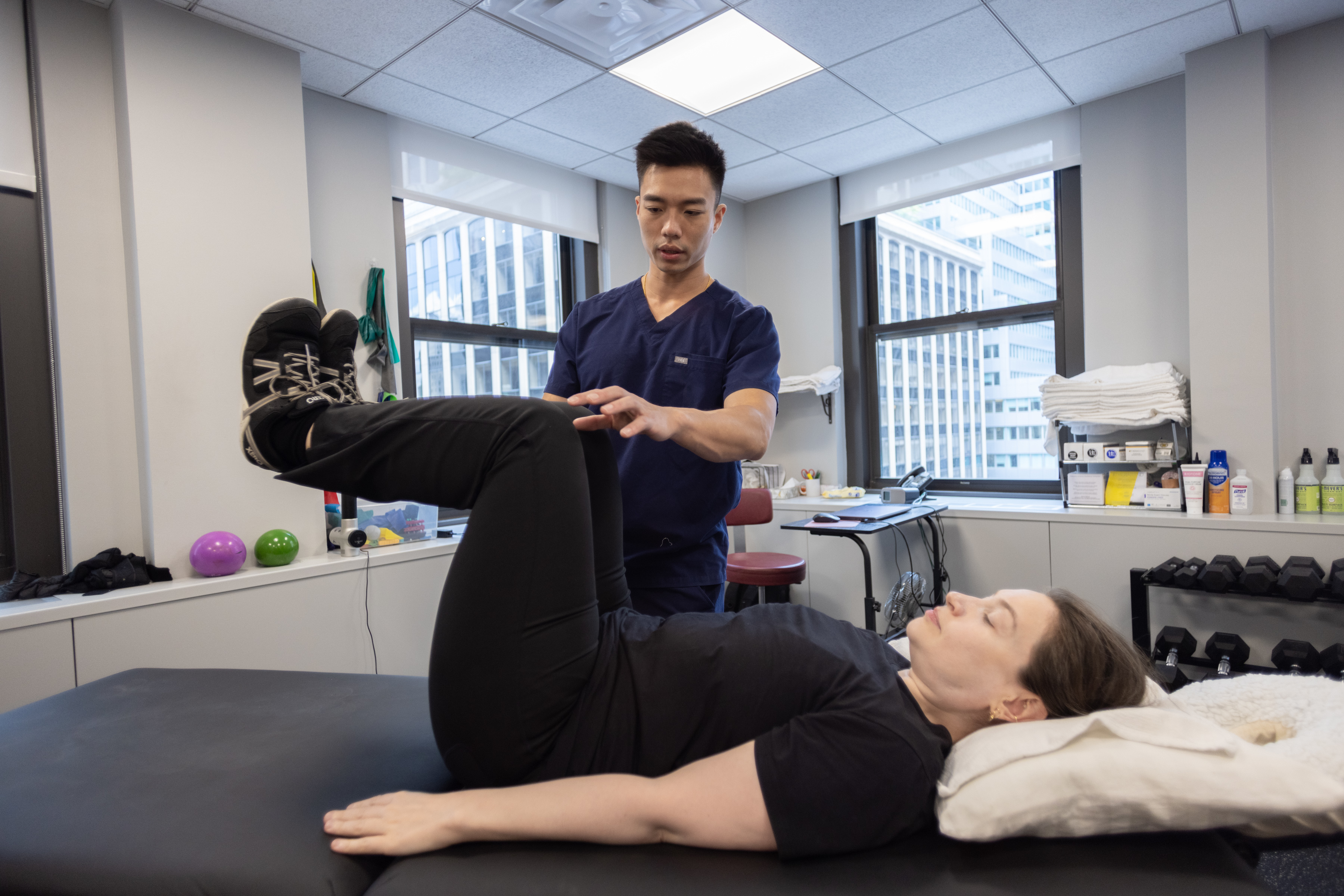
Physical therapy is often associated with recovering from a sprain, surgery, or sports injury. While injury treatment is an important part of care, physical therapy can support much more than healing after something goes wrong. It can help improve movement, reduce pain, build strength, and support long-term function for daily life.

Hip pain can make everyday movement harder than it should be. Walking, climbing stairs, standing for long periods, and even sitting comfortably can become frustrating when the hip is not functioning well. At NYC Empire PT in New York, New York, we take a comprehensive physical therapy approach to hip pain treatment that focuses on finding the source of the problem, not just calming symptoms for a short time. Our office treats hip pain with individualized care plans that may include physical therapy, movement retraining, myofascial release, trigger point therapy, spinal adjustments, and Active Release Techniques.


Monday, Wednesday & Friday
09:00 AM to 3:00 PM
Tuesday & Thursday
12:00 PM to 7:00 PM
Saturday & Sunday
Closed
Powered by 