

Hip Flexor Tightness: Causes, Risks, and PT Stretches to Improve Mobility

Hip Flexor Tightness: Causes, Risks, and PT Stretches to Improve Mobility

Hip Flexor Tightness: Causes, Risks, and PT Stretches to Improve Mobility

Hip Flexor Tightness: Causes, Risks, and PT Stretches to Improve Mobility

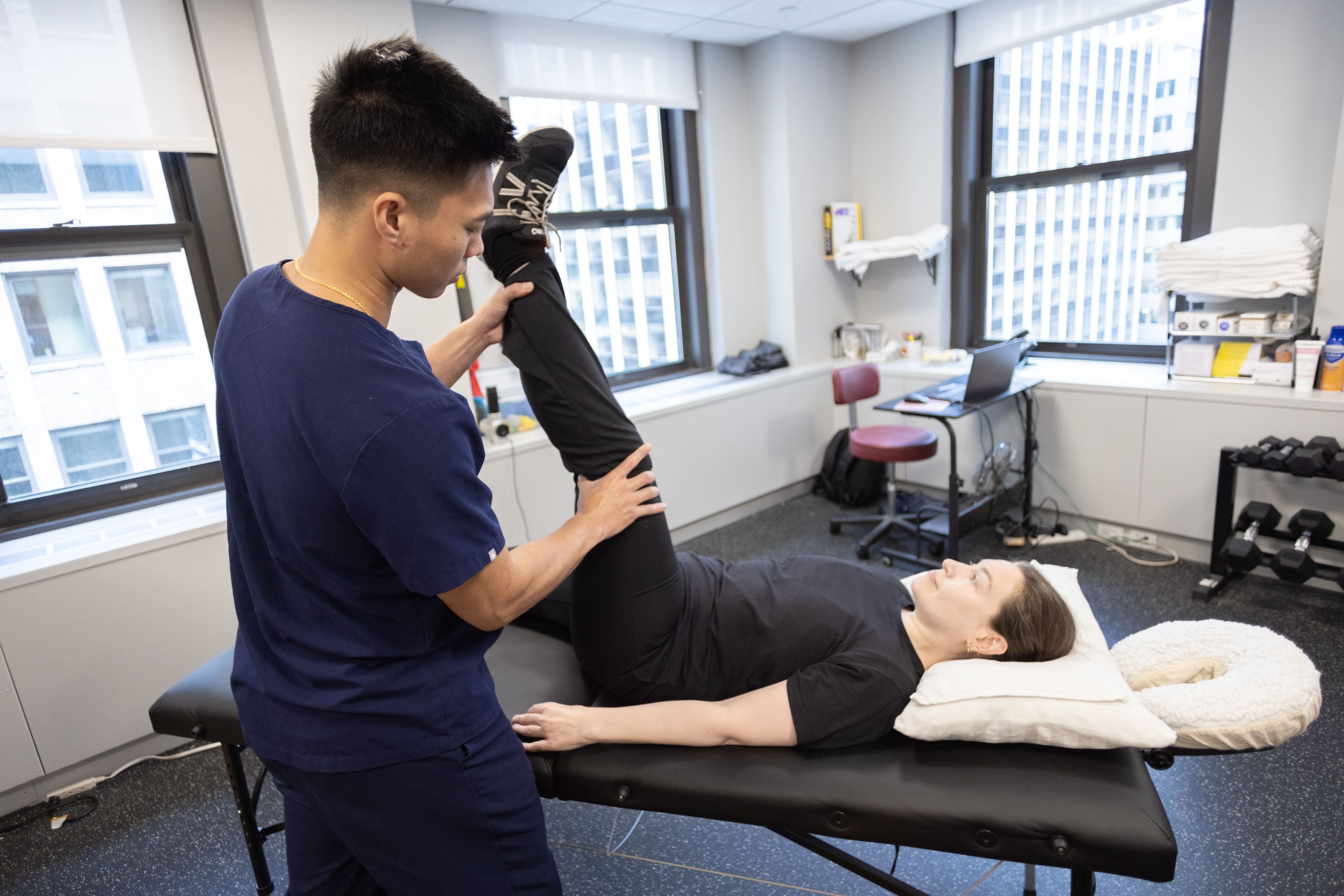
Whether you spend long hours sitting at a desk, train intensely at the gym, or are recovering from an injury, restricted hip flexors can significantly affect how you move and how you feel. Understanding why hip flexors become tight, the risks of ignoring the problem, and how physical therapy stretches can help restore movement is key to long-term relief and injury prevention.
What Are the Hip Flexors?
The hip flexors are a group of muscles that allow you to lift your knee toward your chest and bend at the waist. The primary hip flexors include the iliopsoas (iliacus and psoas major), rectus femoris, and sartorius. These muscles play a critical role in walking, running, climbing stairs, and maintaining proper posture. When hip flexors lose flexibility, they can limit hip extension, alter movement patterns, and place excess stress on surrounding joints and muscles.
Common Causes of Hip Flexor Tightness
Hip flexor tightness typically develops over time due to repetitive habits and movement imbalances. Common causes include:
• Prolonged sitting: Desk work, commuting, and screen time keep the hips in a flexed position for extended periods.
• Lack of mobility training: Strength training without adequate stretching can shorten the hip flexors.
• Poor posture: Anterior pelvic tilt can place continuous tension on the hip flexors.
• Overuse in sports: Runners, cyclists, dancers, and soccer players often overload these muscles.
• Previous injury or surgery: Compensation patterns after injury may contribute to stiffness.
Risks of Ignoring Tight Hip Flexors
Untreated hip flexor tightness can lead to more than just discomfort. Over time, it may contribute to:
• Lower back pain: Tight hip flexors can pull the pelvis forward, increasing lumbar spine stress.
• Hip and groin pain: Restricted mobility may overload surrounding tissues.
• Reduced athletic performance: Limited stride length and power output can affect speed and efficiency.
• Muscle imbalances: Weak glutes and core muscles often accompany tight hip flexors.
• Increased injury risk: Poor movement mechanics raise the likelihood of strains and joint irritation.
Addressing hip flexor tightness early helps prevent these secondary issues from developing.
How Physical Therapy Helps
While stretching can help, hip flexor tightness often requires more than a generic routine. Physical therapy addresses the root cause of the problem rather than just the symptoms. Our physical therapist evaluates posture, walking mechanics, muscle imbalances, and movement patterns to identify why the hip flexors are becoming tight in the first place.
Treatment goes beyond flexibility work by incorporating targeted strengthening of the glutes, core, and deep hip stabilizers to restore proper muscle balance. Posture correction and ergonomic guidance help reduce prolonged stress on the hip flexors during daily activities such as sitting, standing, and lifting. Movement retraining ensures the hips move efficiently during functional tasks and athletic activities, reducing compensatory strain on the lower back and pelvis.
This comprehensive, individualized approach not only improves hip mobility but also enhances strength, coordination, and overall movement quality. As a result, flexibility gains are maintained long term, pain is reduced, and the risk of future injury is significantly lowered.
Start Physical Therapy for Better Hip Mobility
Hip flexor tightness is a common but often overlooked issue that can affect posture, performance, and overall comfort. Understanding its causes and risks and addressing it with targeted physical therapy stretches can restore mobility, reduce pain, and improve movement quality.
If you’re experiencing hip stiffness, lower back discomfort, or movement limitations, NYC Empire Physical Therapy is here to help. Visit our office in New York, NY, or call (718) 608-7645 to book an appointment today.


Monday, Wednesday & Friday
09:00 AM to 3:00 PM
Tuesday & Thursday
12:00 PM to 7:00 PM
Saturday & Sunday
Closed
Powered by 